
MANTUS MARINE · US-MADE LINE BY BUCCANEER
Anchor & Mooring Line
More Than Rope.
.From 8-plait polyester to three-strand nylon snubbers to ultra-high-strength UHMWPE, we carry the right line for every job on your ground tackle — spliced, sized and ready to deploy.
🇺🇸 MADE IN THE USA · ✂ CUSTOM SPLICING

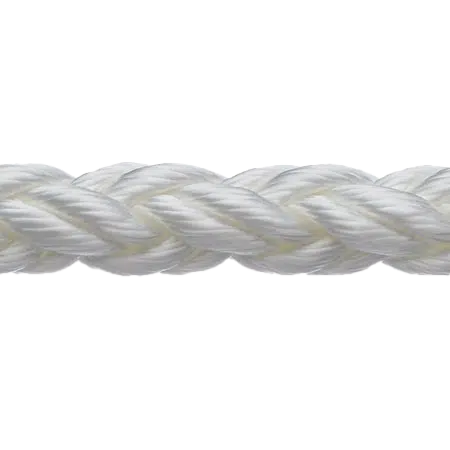
ANCHOR RODE
8-Plait Polyester
BEST CHOICE FOR – PRIMARY ANCHOR RODE
Our top pick for anchor rode — stronger, tougher and more UV-stable than nylon, with a smooth braid that feeds clean through a windlass and stores without kinks.
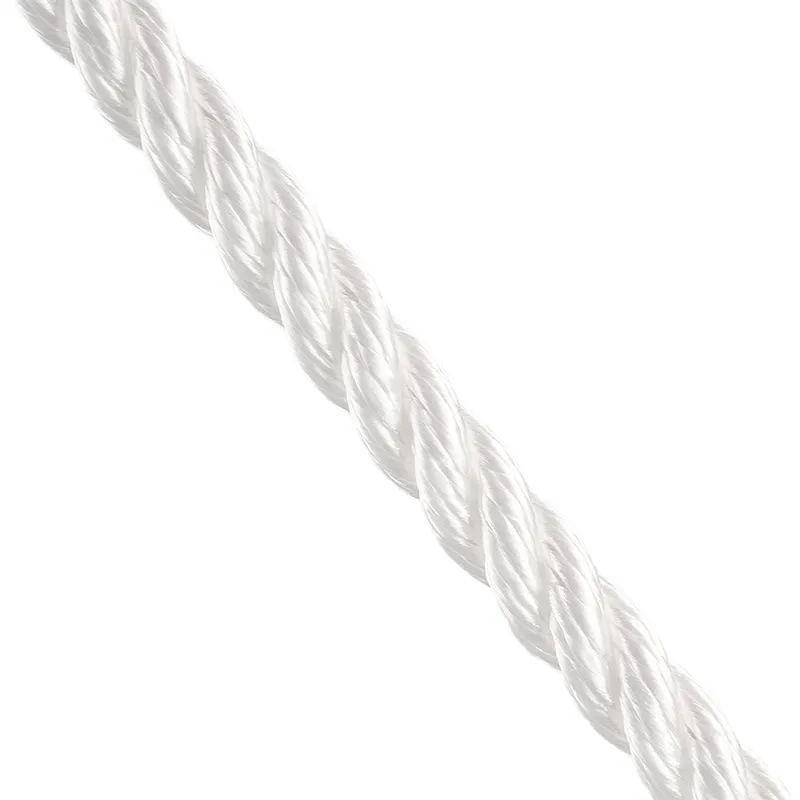
SNUBBERS & BRIDLES
3-Strand Twisted Nylon
BEST CHOICE FOR – SNUBBERS & BRIDLES
The stretchiest line we carry — and that’s the point. Nylon’s elasticity makes it the ideal shock absorber, which is why we build our snubbers and bridles from it.

MAX STRENGTH
UHMWPE Line
ULTRA-HIGH-MOLECULAR-WEIGHT POLYETHYLENE
Pound for pound stronger than steel, low-stretch and it floats. Our 12-strand UHMWPE is where you go for soft shackles, bridle legs and high-load snubber components.
DONE FOR YOU
Custom Splicing
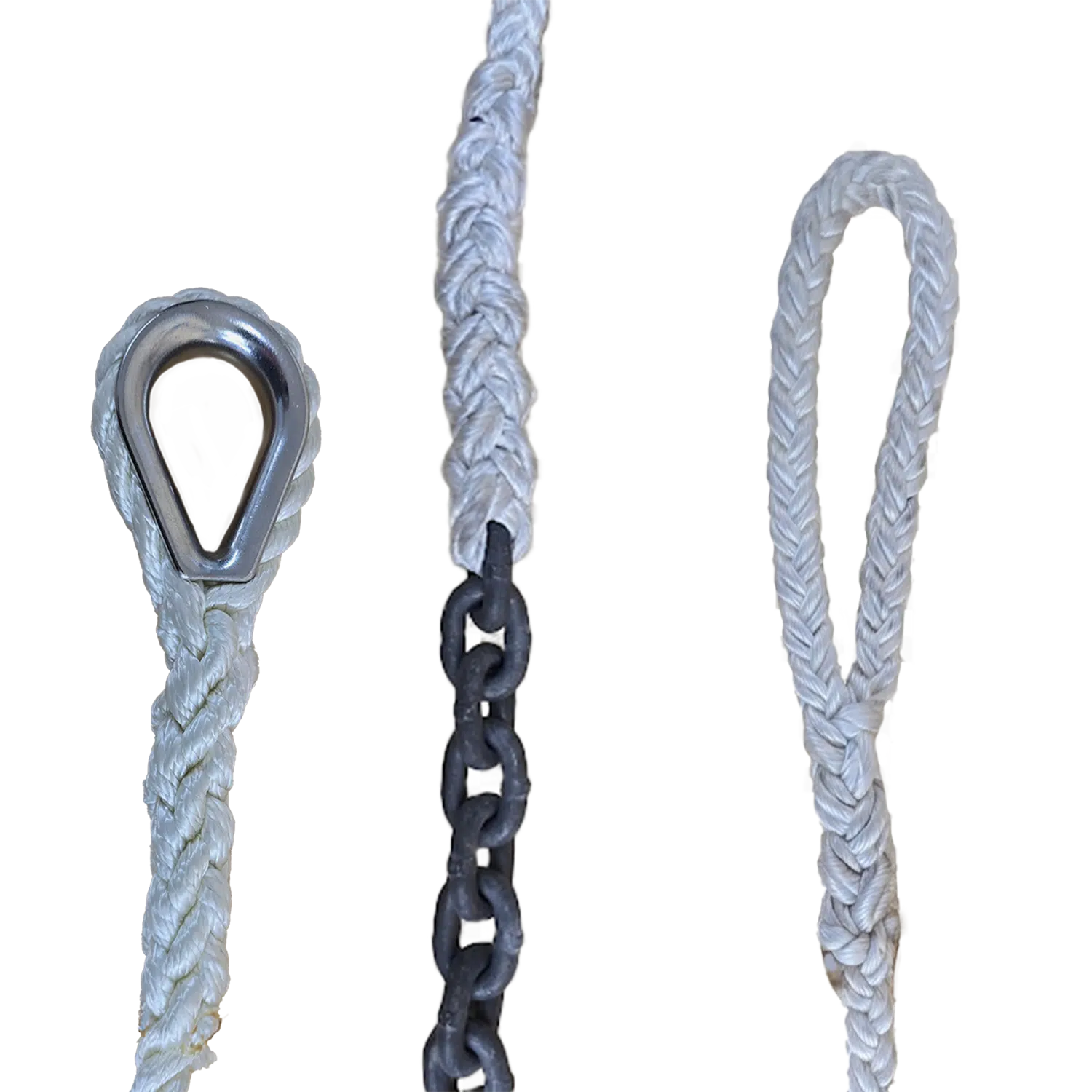
Order it cut, sized and finished the way you rig it. We’ll splice your line to chain or put a proper eye in the end — so it’s ready to bend on the moment it arrives.
- Back splice to chain — a smooth rode-to-chain transition that runs over the gypsy.
- Eye splice — a finished loop for shackles, thimbles and hooks.
- Cut to length — sold by the foot in the size and line you need.
BEFORE YOU DEPLOY
Rope Safety Considerations
A few rules of thumb that apply to every line on this page — size it right, splice it right, and inspect it often.
Match Line to Chain & Windlass
Use the sizing chart so your line and chain splice run cleanly over the gypsy. An undersized line robs strength; an oversized one jams the windlass.
Give It Scope to Stretch
Shock absorption depends on length. Deploy adequate rode — and always run a nylon snubber on an all-chain setup — so the system can flex instead of snap.
Inspect & Retire
Check for chafe, glazing and broken strands where the line works hardest. Retire any rode that’s lost strength — ground tackle is no place to gamble.
Windlass compatibility
Chain Size | Line Size | Recommended Splice |
1/4″ Chain (6mm) | 1/2″ (12mm) | Back splice |
5/16″ Chain (8mm) | 9/16″ (14mm) | Back splice |
3/8″ Chain (10mm) | 5/8″ (16mm) | Back splice |
1/2″ Chain (12mm-13mm) | 3/4″ (20mm) | Back Splice |
Line Rode on a chain gypsy:
Vertical Windlass offers Advantages for Line Handling over the Horizontal Windlass:
- Greater Wrap Angle: On a vertical windlass, the rope typically makes a near 180-degree wrap around the chain gypsy. This larger contact area provides significantly better grip and reduces slippage when hauling or deploying a rope/chain rode.
- Improved Control: The increased grip translates to more controlled handling of the line, making it less likely to jump or snag.
- Often Includes a Capstan: Many vertical windlasses are available with a capstan on top of the gypsy. This additional drum is specifically designed for handling mooring lines and can also be used to assist with the anchor rode, providing even better control and the ability to use the line independently of the chain.
- Better Alignment: The vertical orientation often allows for a straighter lead of the rope from the bow roller to the gypsy, minimizing friction and potential for chafe.
Horizontal Windlass Considerations for Line Handling:
- Limited Wrap Angle: Horizontal windlasses typically have a much smaller wrap angle (around 90 degrees) on the gypsy for the rope. This reduced contact area can lead to less secure grip and a higher chance of slippage, especially under load.
- More Reliance on Spring-Loaded Fingers: Horizontal windlasses often rely more heavily on spring-loaded fingers or snubbers to help the gypsy grip the rope. While these can be effective, they are mechanical parts that can wear or malfunction.
- Alignment Critical: Precise alignment between the bow roller and the horizontal gypsy is crucial for smooth rope handling. Off-center leads can cause significant friction and wear.
- Separate Drum Often Required: To effectively handle rope with a horizontal windlass, a separate warping drum is often necessary. This adds to the windlass’s footprint on deck and requires the rope to be manually led to the drum. Getting the rope to then feed neatly into the chain pipe can also be an issue.
In summary:
While both vertical and horizontal windlasses can handle rope spliced to chain, vertical windlasses generally offer superior performance and more secure handling of the line due to the greater wrap angle on the gypsy and the availability of a capstan.
However, it’s crucial to:
- Check the manufacturer’s specifications: Always verify that the specific windlass model you are considering is designed to handle the type and size of rope you intend to use.
- Ensure proper splicing: A well-executed splice that transitions smoothly is essential for both types of windlasses, if you need to splice your chain to line rode you we can do that for you.
Ultimately, if you plan to use a significant amount of rope in your anchor rode, a vertical windlass designed for rope/chain combination will likely provide a better and more reliable experience. Sources and related content
Rope Safety Considerations
New Rope Tensile Strengths: New rope tensile strengths are based on tests in accordance with ASTM Test Method D-4268 on new and unused rope in laboratory condition.
Working Loads: Working loads are for rope in good condition with approximate splices, in non-critical applications, under normal service conditions. Working loads should be exceeded only with expert knowledge of conditions and professional estimates of risk. Working loads should be reduced where life, limb, or valuable property is involved, or for exceptional service conditions such as shock loads, sustained loads, etc.
The Cordage Institute specifies that the Safe Working Load of rope shall be determined by dividing the Minimum Tensile Strength by the Safety Factor. Safety factors range from 5 to 12 for non-critical uses.
OD (in) | OD (mm) | Ultimate Tensile Strength (lbs) |
|---|---|---|
1/2 | 12 | 7,700 |
9/16 | 14 | 9,900 |
5/8 | 16 | 12,100 |
3/4 | 19 | 15,200 |
US-MADE LINE BY BUCCANEER
The Right Line for Every Job
From the primary rode to the snubber to the soft shackle — sized, spliced and ready to deploy. Tell us what you’re rigging and we’ll set you up.